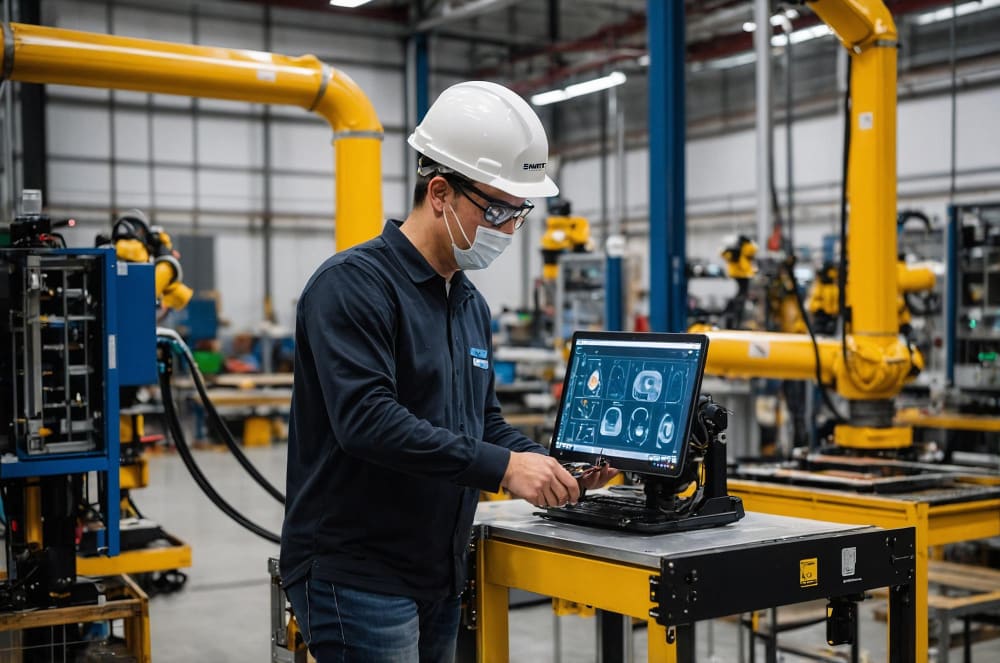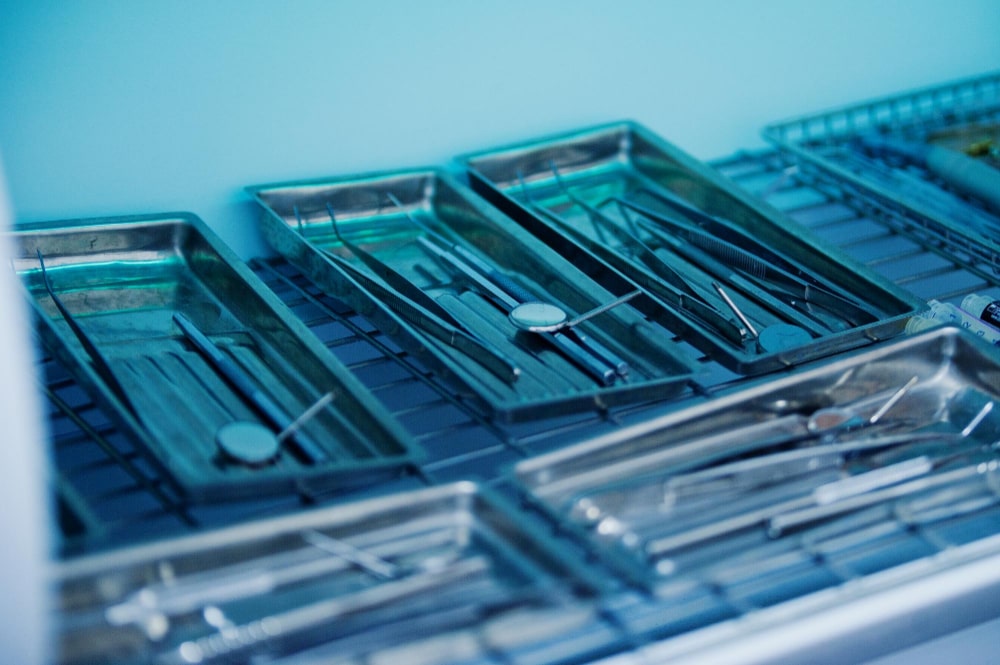
Precision metal parts are an essential component in the development of surgical instruments and medical equipment , where reliability, safety, and accuracy leave no room for error. From minimally invasive surgeries to advanced diagnostic devices, the quality of each metal component directly influences equipment performance and patient safety.
Importance of precision in medicine
In the healthcare sector, mechanical precision is a critical requirement. Surgical instruments and medical equipment must meet extremely tight tolerances to ensure correct, repeatable, and safe operation. Even a small misalignment in a metal part can compromise the effectiveness of a procedure or cause device failure.
Precision metal parts enable the manufacture of reliable, ergonomic, and durable instruments capable of withstanding demanding processes such as repeated sterilization, intensive use, and exposure to chemical agents. For this reason, the quality of the machining and surface finish is just as important as the design.
Furthermore, precision affects not only functionality but also component compatibility . In many medical devices, different parts must fit together perfectly to ensure proper power transmission, fluid sealing, or controlled movement of internal mechanisms.
In a highly regulated sector, the manufacture of precision metal components contributes to compliance with regulations and quality standards , minimizing risks and improving the traceability of the final product.
 Materials used in medical instruments
The choice of materials is a key factor in the manufacture of metal parts for medical use . These materials must offer mechanical strength, dimensional stability, and, above all, biocompatibility .
Medical-grade stainless steel is one of the most widely used materials in surgical instruments. It is notable for its corrosion resistance, ease of cleaning, and durability. Furthermore, it withstands sterilization processes perfectly without losing its mechanical properties.
Titanium is another highly valued material in medical equipment due to its lightness, high strength, and excellent biocompatibility. It is especially used in components where weight and structural strength are critical, as well as in implantable devices and high-precision tools.
Special alloys are also used in certain medical devices, designed to offer specific properties such as increased hardness, wear resistance, or thermal stability. These alloys require advanced machining processes and rigorous quality control.
The correct selection of material, along with precise machining, ensures that the parts meet the functional and regulatory requirements of the healthcare sector.
Applications in advanced medical equipment
Precision metal parts have a wide variety of applications in the medical field. In surgical instruments, they are used in scissors, forceps, scalpels, needle holders, and articulated systems that require precise and controlled movements.
In medical equipment , these components are used in diagnostic imaging devices, monitoring equipment, robotic surgical systems, and laboratory machinery. In all cases, precision is essential to ensure reliable measurements and stable operation.
The trend toward miniaturization in medicine has increased the demand for ever smaller and more complex metal components with minimal tolerances and high-quality finishes. This requires advanced machining technologies and very rigorous quality control processes.
Furthermore, manufacturers in the medical sector increasingly value the ability to customize parts, adapting them to specific designs or new clinical needs. Having a supplier specializing in precision metal parts allows for the development of tailored solutions with high quality standards.